Amazon Basics Neoprene Dumbbells: Choose the Weight for Your Exercise

Light hand weights used for individualized home fitness and wellness

LK Fitness & Therapy · Build strength
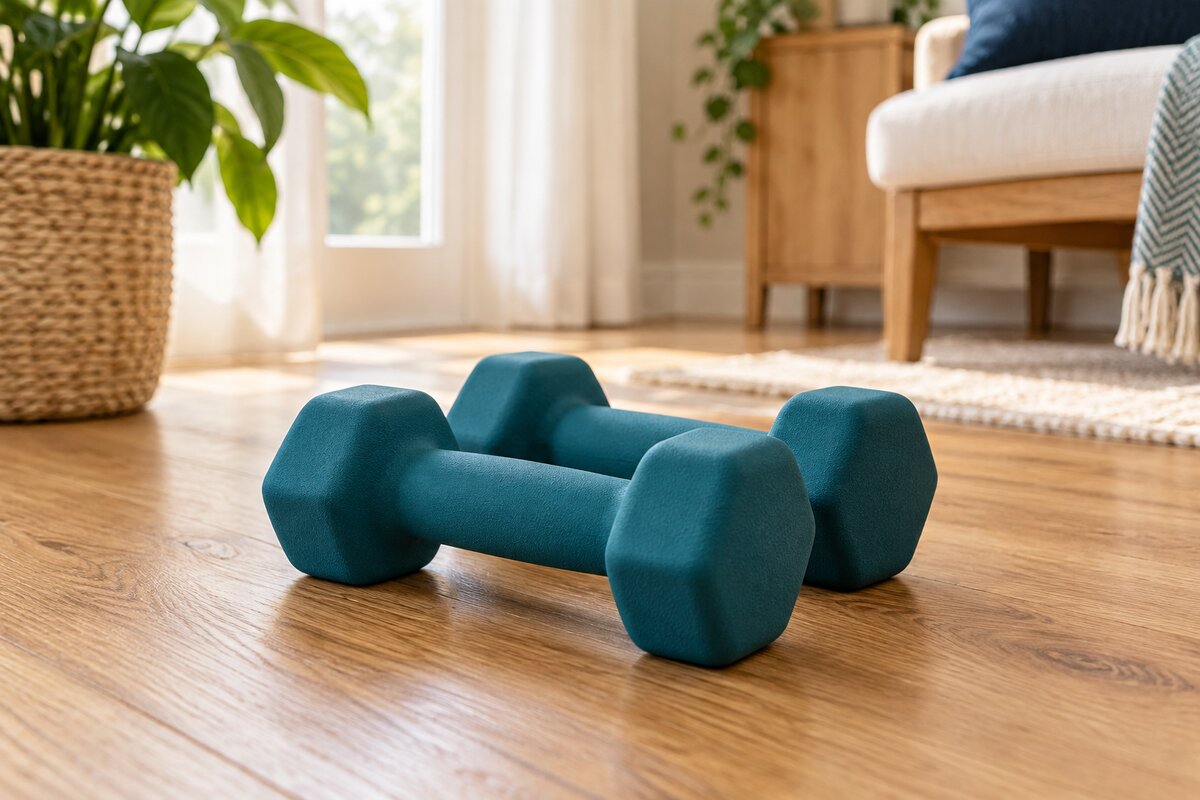
lk-equipment-weights-editorial
Illustration of the equipment category; confirm the exact product in the retailer listing.

A simple way to load selected exercises. Buy a pair and weight you can hold and control; there is no universal starter weight.

View this option on Amazon →

I may earn a commission, at no extra cost to you. Read the fit and safety guidance below before buying.

By Dr. Lenny Klichinsky, PT, DPT · Updated October 2, 2026

A pair of dumbbells makes it straightforward to add a known load to an exercise. There are no bands to anchor and no machine to adjust. That simplicity is helpful only when the weight, grip, and movement match your current ability.

Why this option made the list

Amazon Basics offers neoprene-coated dumbbells in different weights and package configurations. For a small home setup, a single pair may be enough. Check whether the listing is for one weight, a pair, or a set with a stand; the first image does not always tell the whole story.

The coating may feel more comfortable than bare metal, but it does not make a weight impossible to drop. Grip comfort matters if you have painful fingers, limited hand strength, or reduced sensation.

Where they may fit

Dumbbells can be used in selected arm exercises or as part of a broader strength program for daily activities. Strength training is one component of activity for older adults. The useful goal might be lifting a household object more comfortably or maintaining a routine—not reaching a particular number on the dumbbell.

For shoulder, elbow, or wrist pain, ask which movement and load are appropriate before following a generic routine. For leg exercises, holding weights can change balance as well as effort. If you need your hands for support, adding handheld weights may be the wrong progression.

There is no automatic starter weight

Choose a load that lets you complete the intended movement with control and normal breathing. A weight that is appropriate for one exercise may be too heavy for another. Avoid buying an entire rack before you know what your program requires.

Stop for sharp pain or new symptoms. A recent operation or injury may place restrictions on lifting even when the weight feels light.

Keep the setup simple

Store weights where they cannot roll into a walkway or fall from a shelf. Pick them up and put them down carefully. If gripping is the limiting factor, discuss a different tool rather than trying to overcome the problem with a heavier pair. A flat band may be an alternative for some movements, with a different setup and resistance pattern.

Explore the product

Amazon Basics Neoprene Dumbbell Pair

Find this option on AmazonI may earn a commission, at no extra cost to you.

This opens a product-name search. Match the brand, model, material, size, and weight before ordering. Listings, sellers, availability, and return terms can change; check the current details at Amazon.

Background references

Product information · AAOS exercise guidance for older adults. Product details were checked against these sources. The guidance here is an original educational overview, not a claim that the product treats a particular diagnosis or has been personally tested.

As an Amazon Associate I earn from qualifying purchases.

Have a question about this article?

I can help you understand how this information relates to your goals, symptoms and home routine.

Call or text Dr. Lenny: 267-647-9097 to discuss whether one-on-one care at home is a good fit.
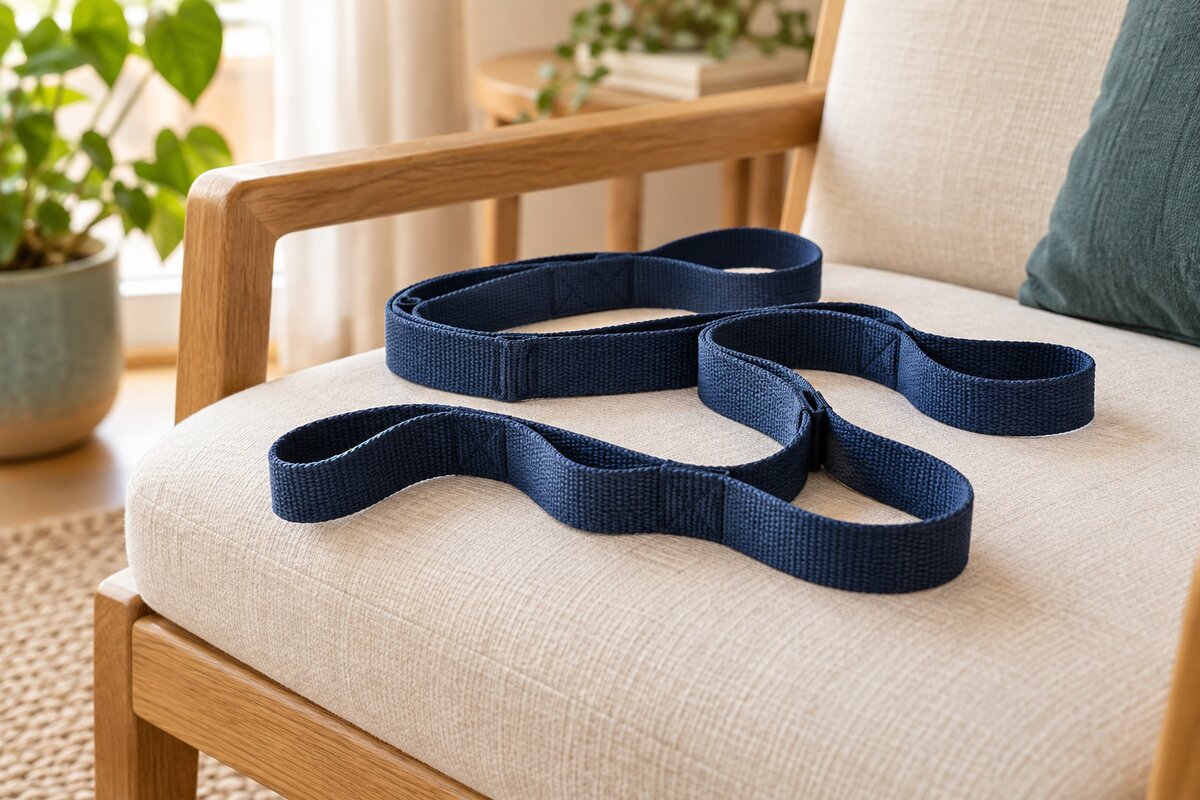
OPTP Stretch Out Strap: More Control for a Gentle Stretch

Stretching strap for mobility exercise

LK Fitness & Therapy · Make exercise comfortable

lk-equipment-strap-editorial
Illustration of the equipment category; confirm the exact product in the retailer listing.

Fixed loops can make a selected stretch easier to position. A stronger pull is not the goal.

View this option on Amazon →

I may earn a commission, at no extra cost to you. Read the fit and safety guidance below before buying.

By Dr. Lenny Klichinsky, PT, DPT · Updated October 2, 2026

A stretching strap helps you reach or hold a position without having to grab your foot or strain your hands. It can simplify a stretch that has already been chosen for you. It should not be a way to force a joint farther than it comfortably wants to go.

Why this strap made the list

The OPTP Original Stretch Out Strap includes multiple loops and an exercise booklet. The loops provide places to hold at different distances. Look for the Original version with the booklet if that is the one you want; OPTP also offers other versions and lengths.

A stretching strap serves a different job from an elastic resistance band. The strap helps with positioning; a resistance band is chosen to load a movement. Do not substitute one for the other simply because both fit in a gym bag.

Where it may fit

A strap may help with selected hamstring or calf stretches when reaching the foot is awkward. For some people, a towel is already enough. You do not need to buy a strap if your current setup is comfortable and works with your plan.

Stiffness around the hip or leg can have different causes. Limited flexibility, nerve sensitivity, a joint problem, and recovery after surgery need different decisions. A sensation that shoots down the leg, tingles, or feels like an electric pull is not a signal to stretch harder.

Make the stretch manageable

Use the position and range your clinician has selected. Keep the movement slow and avoid bouncing or using the strap to pull through sharp pain. The booklet offers examples, but it cannot determine which examples are right for your condition.

If you have recently had surgery, follow your precautions before attempting a new position. If lying on the floor is difficult, ask about a seated or bed-based alternative rather than turning the transfer into a workout of its own.

Before checkout

Confirm the included booklet and the model or length on the listing. Think about how you will hold the loops if your hands are painful or weak. Dr. Lenny can help choose a setup that fits your reach, comfort, and everyday routine.

Explore the product

OPTP Original Stretch Out Strap with Exercise Booklet

Find this option on AmazonI may earn a commission, at no extra cost to you.

This opens a product-name search. Match the brand, model, material, size, and weight before ordering. Listings, sellers, availability, and return terms can change; check the current details at Amazon.

Background references

Product information · AAOS hip conditioning guidance. Product details were checked against these sources. The guidance here is an original educational overview, not a claim that the product treats a particular diagnosis or has been personally tested.

As an Amazon Associate I earn from qualifying purchases.

Have a question about this article?

I can help you understand how this information relates to your goals, symptoms and home routine.

Call or text Dr. Lenny: 267-647-9097 to discuss whether one-on-one care at home is a good fit.
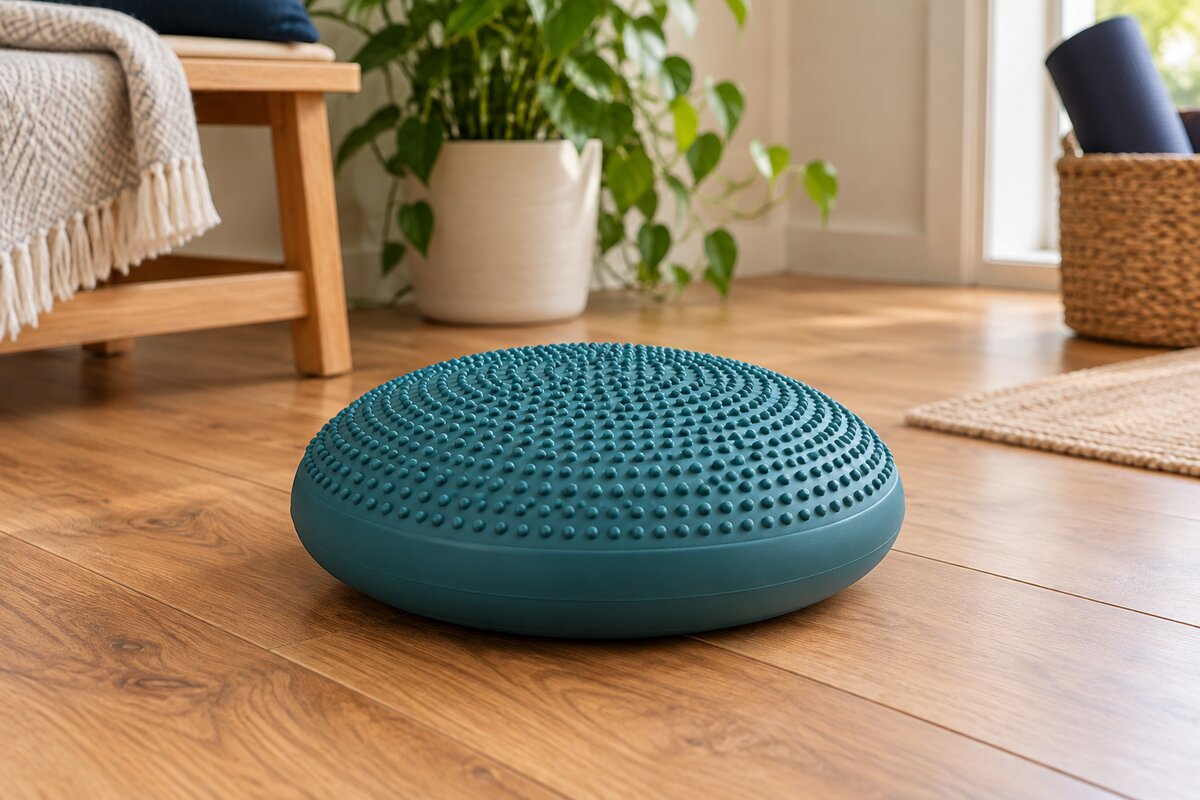
Trideer Balance Disc: A Wobble Cushion Is an Optional Tool

Inflatable balance disc for home exercise

LK Fitness & Therapy · Balance with guidance

lk-equipment-disc-editorial
Illustration of the equipment category; confirm the exact product in the retailer listing.

A changeable surface for selected seated or balance tasks. It is not a guaranteed posture fix or a first step for fall risk.

View this option on Amazon →

I may earn a commission, at no extra cost to you. Read the fit and safety guidance below before buying.

By Dr. Lenny Klichinsky, PT, DPT · Updated October 2, 2026

A balance disc, sometimes called a wobble cushion, changes the surface beneath you. It can be used in selected seated tasks or balance exercises. The question is whether that change serves your goal, rather than whether sitting or standing on something unstable sounds more active.

Why this option made the list

Trideer offers inflatable wobble cushions. Inflation changes how a cushion feels, so the selected model and setup matter. Before ordering, check the listing for the intended use, dimensions, included pump, weight limit, and instructions. Some listings emphasize children’s seating; choose the version appropriate for the adult activity you have discussed.

The ability to adjust inflation can be useful. It also adds a setup step and makes the surface feel different from one session to the next. If you want the fewest adjustments, discuss a foam pad or a firm-surface exercise instead.

Where it may fit

A clinician may use a disc for a specific seated movement or balance progression. This does not mean it will fix posture, treat back pain, prevent falls, or strengthen your core simply by being on your chair.

For a desk worker with discomfort, varying positions, adjusting the workstation, and taking movement breaks may be more practical starting points. If the cushion makes you tense, slide forward, or feel less secure, it is not doing you a favor.

When to ask before buying

Recent falls, unexplained dizziness, reduced sensation, an acute injury, or trouble getting in and out of a chair are reasons to discuss the plan first. Balance problems can have several causes; buying a more unstable surface does not address them all.

Do not try unsupported standing on a disc as your first home balance exercise. Use only the activity, support, and supervision your clinician has selected. Follow the inflation instructions, inspect for damage, and stop for pain, dizziness, or loss of control.

Disc versus pad

The disc introduces inflation and a rounded, shifting surface. A foam pad has no air adjustment. They are not interchangeable prescriptions. You may need neither; the best purchase is the tool that makes your actual program easier to carry out.

Explore the product

Trideer Inflatable Wobble Cushion / Balance Disc

Find this option on AmazonI may earn a commission, at no extra cost to you.

This opens a product-name search. Match the brand, model, material, size, and weight before ordering. Listings, sellers, availability, and return terms can change; check the current details at Amazon.

Background references

Product information · National Institute on Aging balance information. Product details were checked against these sources. The guidance here is an original educational overview, not a claim that the product treats a particular diagnosis or has been personally tested.

As an Amazon Associate I earn from qualifying purchases.

Have a question about this article?

I can help you understand how this information relates to your goals and home routine. Call or text Dr. Lenny: 267-647-9097 to discuss one-on-one care at home.

ProsourceFit Balance Pad: When Foam Balance Training Makes Sense

Foam balance pad for supported balance exercise

LK Fitness & Therapy · Balance with guidance

lk-equipment-pad-editorial
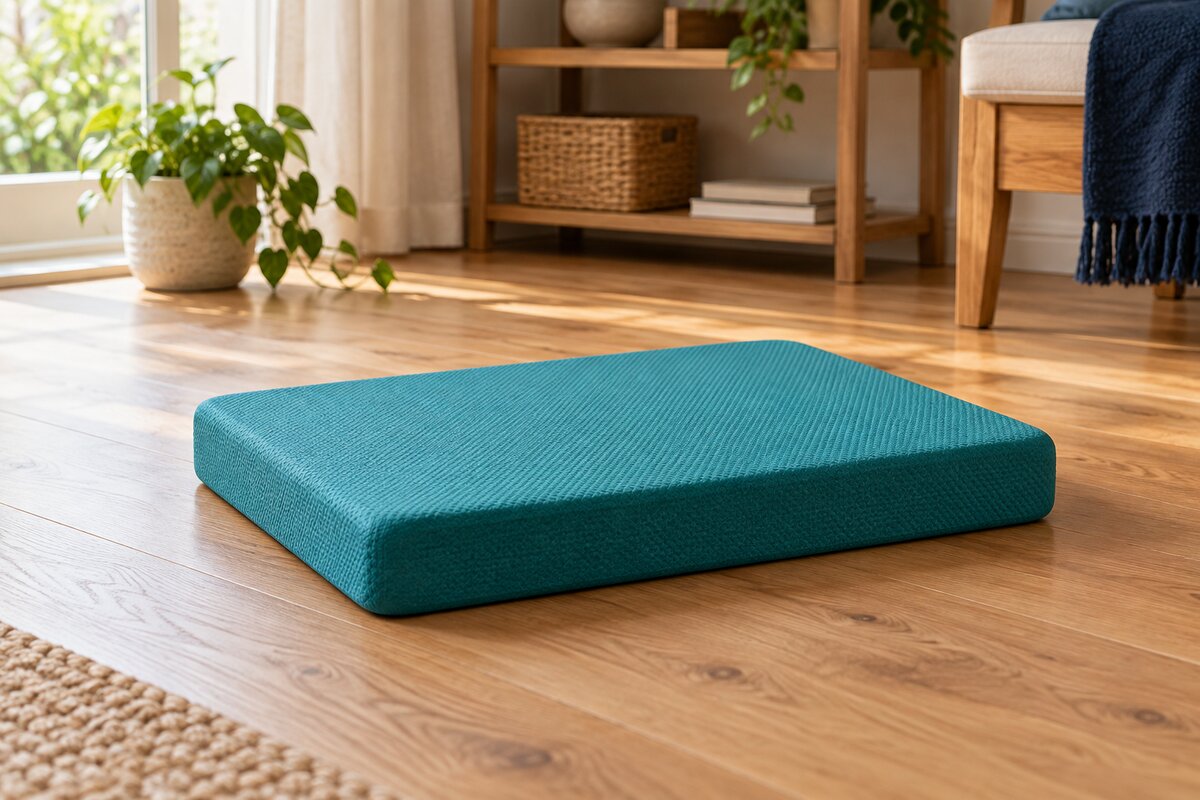
Illustration of the equipment category; confirm the exact product in the retailer listing.

An optional progression for a balance program. Ask first if you have fallen, feel unsteady, or need support to stand.

View this option on Amazon →

I may earn a commission, at no extra cost to you. Read the fit and safety guidance below before buying.

By Dr. Lenny Klichinsky, PT, DPT · Updated October 2, 2026

Learn the setup before using it independently. Have Dr. Lenny or another qualified clinician teach you the appropriate activity, support, and way to get on and off the pad before practicing on your own.

A balance pad is a soft surface that makes standing less predictable. That challenge can have a place in a carefully selected program. It is also the reason this is an optional item rather than a basic purchase for everyone concerned about falling.

Why this pad made the list

The ProsourceFit Exercise Balance Pad is a compact foam pad with a textured surface. It does not need inflation or an electronic setup. Check the size of the selected version so it accommodates the position your therapist intends to use.

The simplicity is useful, but “non-slip” wording on a listing does not remove the possibility of losing your balance. A soft pad can move, compress, or catch at its edge. Your floor, footwear, support, and ability to step off all matter.

Where it may fit

A therapist may introduce a foam surface after assessing your steadiness on firm ground. The purpose may be a specific balance progression or a return-to-activity goal. It is not a stand-alone treatment for dizziness, neuropathy, ankle pain, or falls.

If you have had recent falls, a new injury, dizziness, reduced feeling in your feet, or difficulty standing without support, start with an assessment. You may benefit more from strength work, walking practice, a different balance task, or changes to the home environment.

Set up the support first

The National Institute on Aging advises keeping sturdy support nearby for balance exercises. For foam practice, use the support and supervision selected in your own plan. Keep the area clear and the surface dry. Do not begin with eyes closed, one-legged challenges, or an online routine that removes your support.

Stop if you become dizzy, feel unsafe, or develop pain. Make getting onto and off the pad part of the discussion, not an afterthought.

Pad or inflatable disc?

An inflatable disc has a different feel and can change with inflation. A pad avoids that adjustment, but neither option is automatically easier or safer. If you are buying for a fall-prevention goal, ask which tool—if any—adds something useful to your current program.

Explore the product

ProsourceFit Exercise Balance Pad, Large

View this balance pad on AmazonI may earn a commission, at no extra cost to you.

This opens the balance-pad listing selected for this guide. Match the brand, model, material, size, and weight before ordering. Listings, sellers, availability, and return terms can change; check the current details at Amazon.

Background references

Product information · National Institute on Aging exercise and balance guidance. Product details were checked against these sources. The guidance here is an original educational overview, not a claim that the product treats a particular diagnosis or has been personally tested.

As an Amazon Associate I earn from qualifying purchases.

Have a question about this article?

I can help you understand how this information relates to your goals and home routine. Call or text Dr. Lenny: 267-647-9097 to discuss one-on-one care at home.

ProsourceFit Exercise Mat: Comfort for Floor Exercises Without Extra Fuss

Exercise mat for comfortable floor exercise

LK Fitness & Therapy · Make exercise comfortable

lk-equipment-mat-editorial
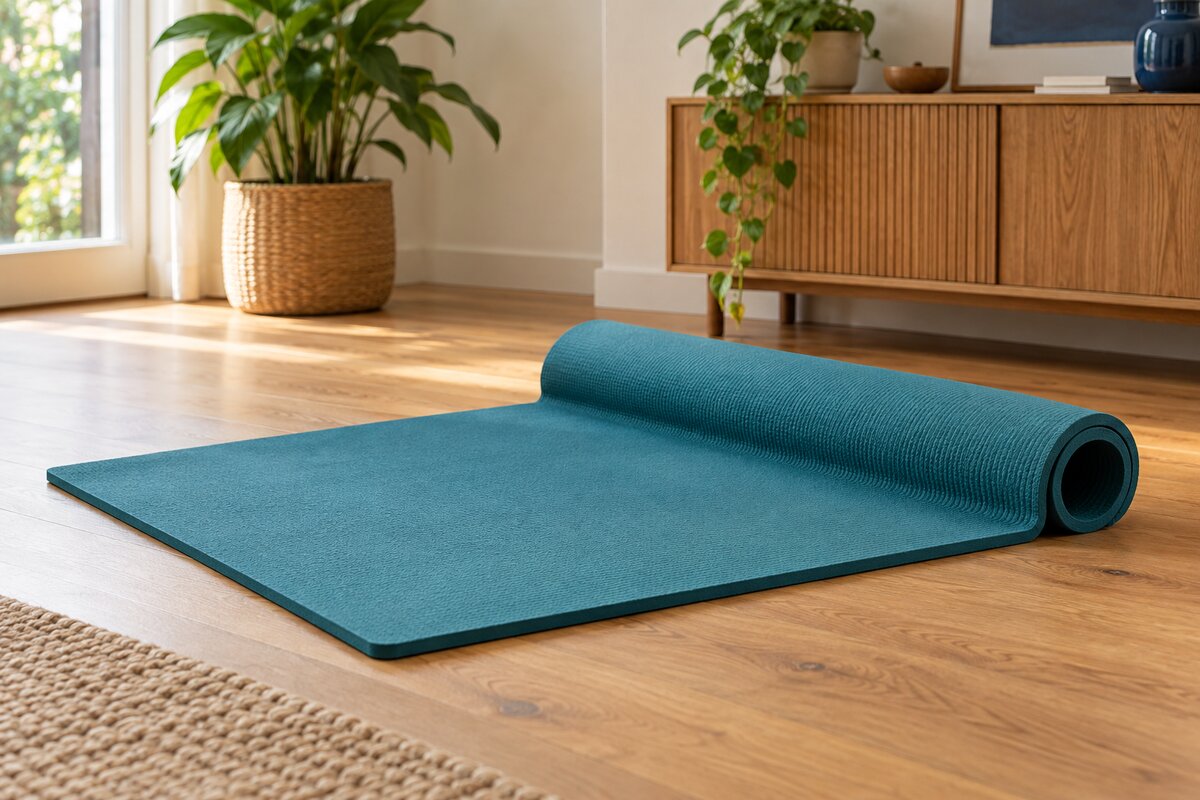
Illustration of the equipment category; confirm the exact product in the retailer listing.

A half-inch mat for floor comfort. Getting safely down to and up from the floor comes before mat thickness.

View this option on Amazon →

I may earn a commission, at no extra cost to you. Read the fit and safety guidance below before buying.

By Dr. Lenny Klichinsky, PT, DPT · Updated October 2, 2026

A home routine is easier to repeat when the setup feels manageable. If a hard floor makes your prescribed exercises uncomfortable, a cushioned mat may help with the surface. It does not solve the separate question of whether floor exercise is safe or practical for you.

Why this mat made the list

The ProsourceFit Extra Thick Yoga and Pilates Mat is available in half-inch and one-inch versions. The half-inch version is the starting option on this list. The manufacturer describes it as NBR foam, approximately 71 by 24 inches, with a carrying sling.

A thicker mat is not always a better mat. Added softness can make standing movements feel less steady and can change how your hands or feet settle into the surface. Choose the thickness for the activity you actually do.

Where it may fit

For a person who can comfortably get to the floor, a mat can provide a dedicated space for selected stretching, trunk, or hip exercises. For knee sensitivity, cushioning may make contact with the floor more comfortable; it does not treat the underlying knee problem or override restrictions on kneeling.

After a joint replacement or another operation, ask whether your current precautions allow the position and the floor transfer. If getting down or up is difficult, ask Dr. Lenny about a chair, bed, or standing version of your routine before buying a mat.

A few checks that matter

Place it on a clean, dry, level surface and check that it does not slide or curl at the edges. Leave enough space to move without hitting furniture. Store it away from walkways when you finish. A mat left on the floor can become a household trip hazard.

Follow the manufacturer’s cleaning instructions and allow it to dry before use. Check the selected thickness and size on the seller’s listing rather than relying on the first product image.

Mat versus balance pad

This mat is for floor comfort. A foam balance pad deliberately changes stability and serves a different purpose. Do standing balance practice on the surface your therapist has chosen; extra cushioning is not a reason to make it more challenging.

Explore the product

ProsourceFit Extra Thick Yoga and Pilates Mat, 1/2-inch

Find this option on AmazonI may earn a commission, at no extra cost to you.

This opens a product-name search. Match the brand, model, material, size, and weight before ordering. Listings, sellers, availability, and return terms can change; check the current details at Amazon.

Background references

Product information · AAOS safe exercise guidance. Product details were checked against these sources. The guidance here is an original educational overview, not a claim that the product treats a particular diagnosis or has been personally tested.

As an Amazon Associate I earn from qualifying purchases.

Have a question about this article?

I can help you understand how this information relates to your goals and home routine. Call or text Dr. Lenny: 267-647-9097 to discuss one-on-one care at home.

Fit Simplify Mini Loop Bands: Choosing Resistance for Hip and Leg Exercise

Mini loop resistance bands for home exercise

LK Fitness & Therapy · Build strength

lk-equipment-loops-editorial
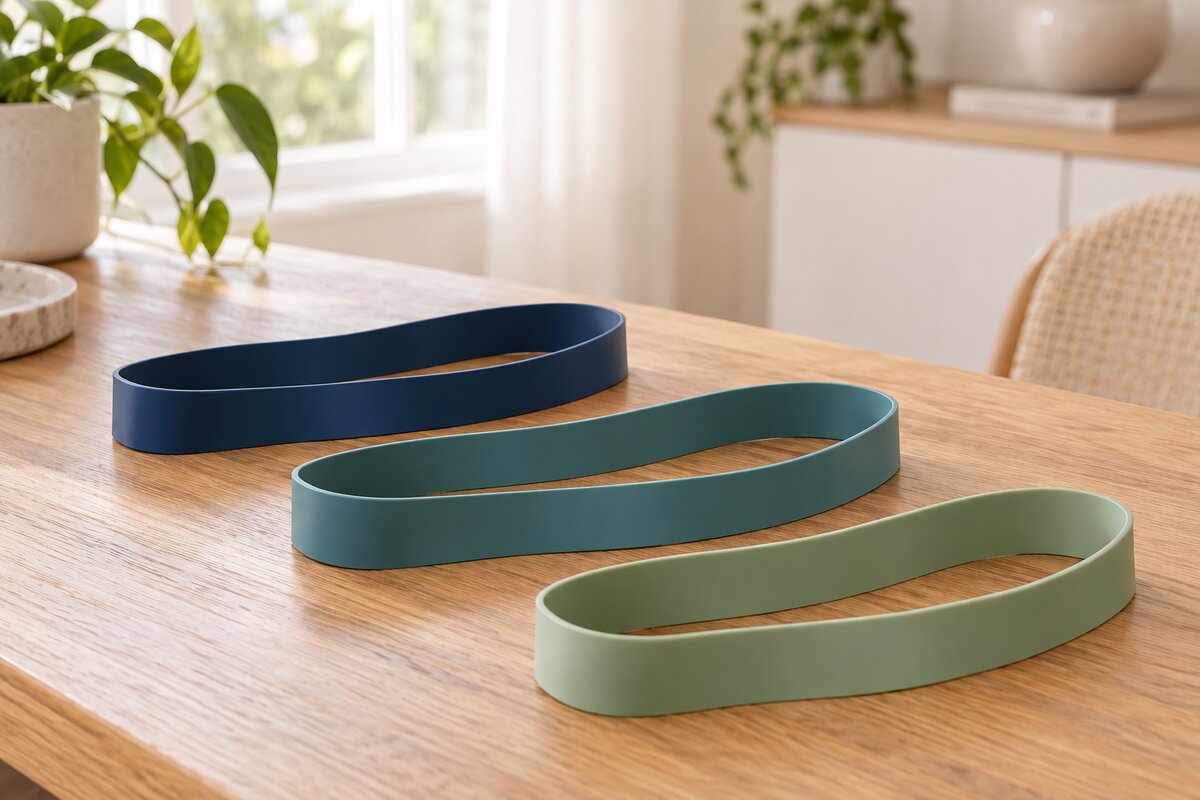
Illustration of the equipment category; confirm the exact product in the retailer listing.

Convenient loops for selected hip and leg exercises. These contain natural latex; they are not the latex-free choice.

View this option on Amazon →

I may earn a commission, at no extra cost to you. Read the fit and safety guidance below before buying.

By Dr. Lenny Klichinsky, PT, DPT · Updated October 2, 2026

A mini loop band gives you a ready-made loop without tying a knot. For the right exercise, that can make setup quicker. It is most useful when your plan specifically calls for resistance around the legs, rather than simply because a social-media workout uses one.

Why this set made the list

Fit Simplify’s five-band set offers different resistance levels in a compact package. The manufacturer identifies the material as natural latex. Avoid this set if you have a latex allergy; consider the non-latex flat-band guide instead and ask how to adapt your exercise.

A thin loop takes up very little space. Its tradeoff is that it may roll or bunch against clothing or skin. Wider fabric bands feel different and are not automatically an equivalent replacement for the resistance your clinician selected.

Where it may fit

Selected hip-strengthening exercises can be part of a plan for leg strength or some knee complaints. The useful question is which muscles and movements need work in your case. A mini loop alone does not identify the cause of knee pain or make a painful squat the right exercise.

For someone rebuilding confidence with walking, it may be a small part of a broader strength program. Walking practice, appropriate balance work, and daily activity still matter. Do not add a loop to walking around the house as a substitute for a planned exercise session.

Choose control before color

Start with the resistance chosen for your exercise. Watch whether you can keep the intended position without twisting your trunk, holding your breath, or shortening the movement to fight the band. More resistance is not automatically more useful.

Inspect the loop for damage, follow the manufacturer’s instructions, and stop for sharp pain, tingling, or worsening symptoms. A recent operation, new injury, or ongoing joint pain deserves an individual plan before following the included workout examples.

When to buy something else

If your program calls for arm exercises, a longer band, or a latex-free material, a flat band may be the simpler choice. If you already own suitable equipment, bring it to your visit before replacing it.

Explore the product

Fit Simplify Resistance Loop Exercise Bands, Set of 5

Find this option on AmazonI may earn a commission, at no extra cost to you.

This opens a product-name search. Match the brand, model, material, size, and weight before ordering. Listings, sellers, availability, and return terms can change; check the current details at Amazon.

Background references

Product information · AAOS hip conditioning guidance. Product details were checked against these sources. The guidance here is an original educational overview, not a claim that the product treats a particular diagnosis or has been personally tested.

As an Amazon Associate I earn from qualifying purchases.

Have a question about this article?

I can help you understand how this information relates to your goals and home routine. Call or text Dr. Lenny: 267-647-9097 to discuss one-on-one care at home.

THERABAND Non-Latex Bands: A Practical Home Exercise Guide

Flat resistance bands for home exercise

LK Fitness & Therapy · Build strength

lk-equipment-bands-editorial
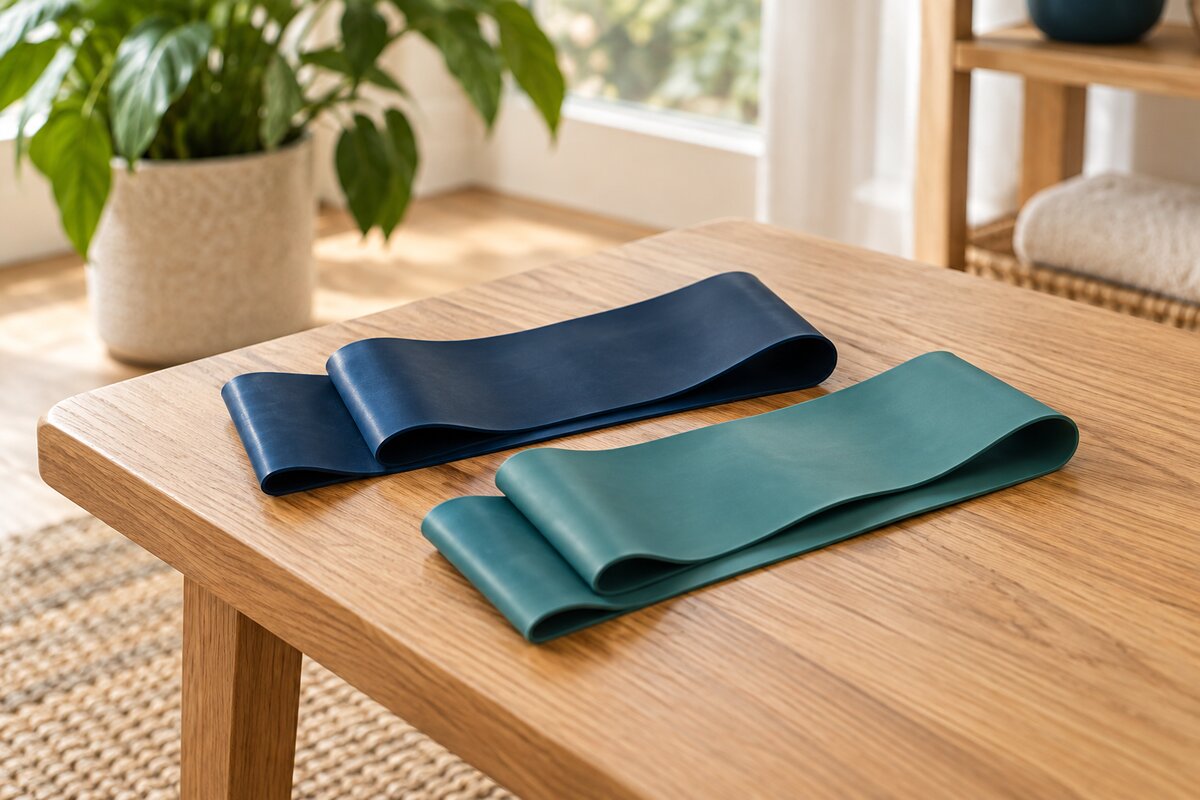
Illustration of the equipment category; confirm the exact product in the retailer listing.

A compact starting option for an individually chosen strength routine. Look specifically for the non-latex version.

View this option on Amazon →

I may earn a commission, at no extra cost to you. Read the fit and safety guidance below before buying.

By Dr. Lenny Klichinsky, PT, DPT · Updated October 2, 2026

A flat band is one of the simplest ways to add resistance at home. It stores in a drawer, travels easily, and allows several exercises without setting up a machine. The important choice is a resistance you can control through the movement your clinician has recommended.

Why this set made the list

The THERABAND Non-Latex Beginner Set includes yellow, red, and green flat bands. Its non-latex material makes it a useful option when natural rubber latex needs to be avoided. Confirm the exact version on the listing: the brand also sells latex products.

Flat bands can be held at different lengths, which changes the resistance. This is helpful for adjusting a program, but it also means the same color can feel very different depending on the setup. Color is not a universal prescription, and colors from different brands do not necessarily match.

Where it may fit

A therapist may use a flat band for selected ankle, knee, hip, or shoulder strengthening after assessing the problem. AAOS includes elastic bands in its foot and ankle conditioning guidance. That does not make every band exercise suitable for every injury or stage of recovery. After surgery, follow your surgeon’s restrictions and your own rehabilitation plan.

What to check before using it

Check for tears and damaged edges before each session. Keep the band away from your face, control the return, and use only the anchoring method you have been taught. A makeshift door attachment or loose piece of furniture is not a safe shortcut. Stop if the band causes sharp pain, new tingling, or a change in symptoms.

Flat bands or mini loops?

Choose a flat band when your program needs a longer piece to hold or position. Mini loops are a different tool, often used around the legs. You do not need both unless your exercises call for both. If gripping a band is difficult, ask about a different setup before buying several resistance levels.

Explore the product

THERABAND Non-Latex Beginner Set

Find this option on AmazonI may earn a commission, at no extra cost to you.

This opens a product-name search. Match the brand, model, material, size, and weight before ordering. Listings, sellers, availability, and return terms can change; check the current details at Amazon.

Background references

THERABAND Non-Latex product information · AAOS foot and ankle conditioning guidance. Product details were checked against these sources. The guidance here is an original educational overview, not a claim that the product treats a particular diagnosis or has been personally tested.

As an Amazon Associate I earn from qualifying purchases.

Have a question about this article?

I can help you understand how this information relates to your goals and home routine. Call Dr. Lenny: 267-647-9097 or text Dr. Lenny to discuss one-on-one care at home.

When Fatigue Changes Your Walking: How I Pace Mobility Practice

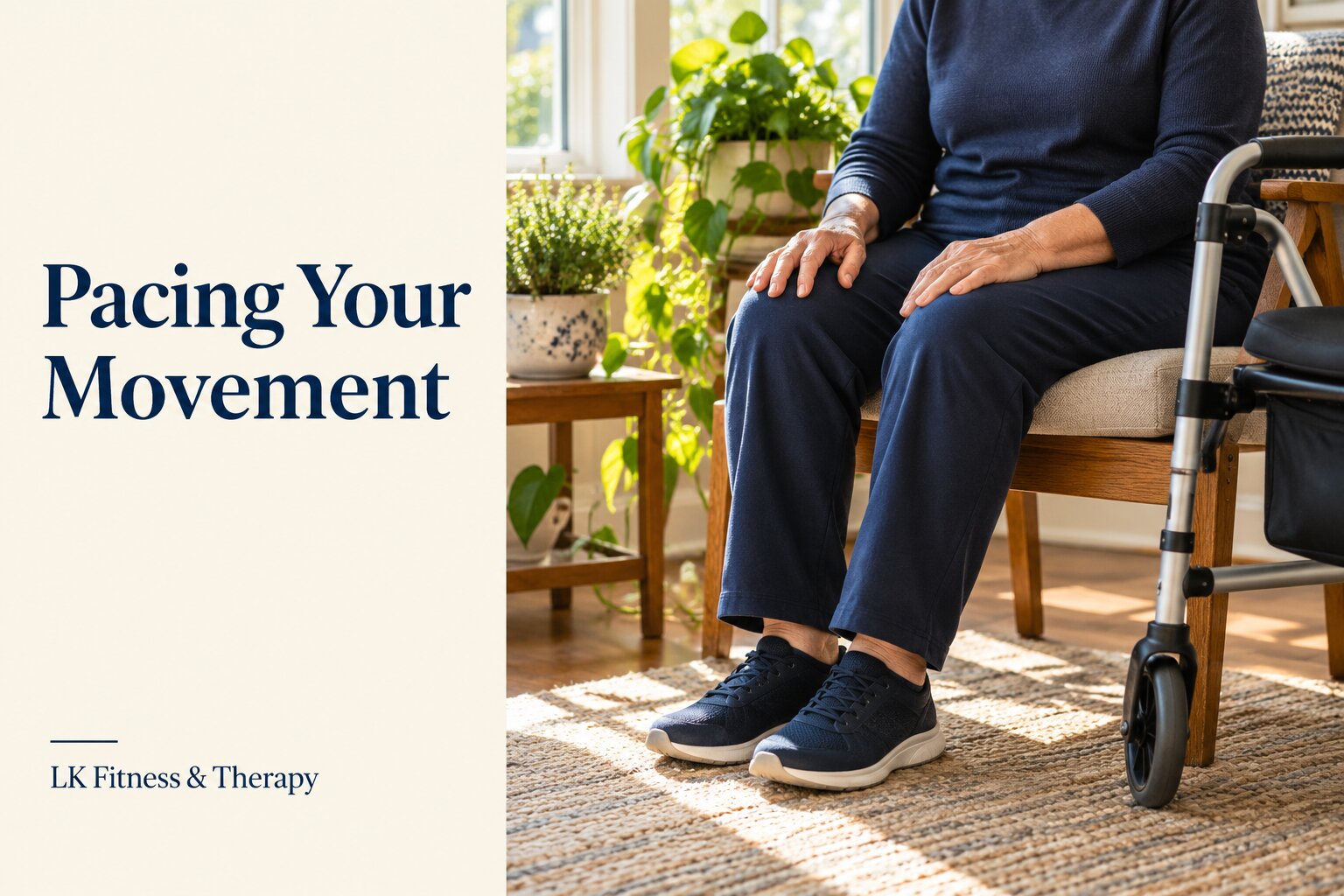
Illustration of a seated rest break with a walker nearby, titled Pacing Your Movement

You may start a walking task with steady steps and find that it becomes harder to control as you tire. During home physical therapy, I pay attention to those changes so we can choose an appropriate amount of practice and build capacity without ignoring warning signs.

Ask what “fatigue” actually feels like

Tiredness, muscle fatigue, breathlessness, dizziness, weakness and feeling generally unwell are different experiences. I ask what has changed, when it occurs and how it affects daily activity. New or unusual symptoms may require medical assessment before simply increasing exercise.

Watch the quality of movement

During a visit, I may observe step length, balance, use of support and how movement changes with duration. If the task becomes harder to control, I can reduce the challenge, provide a rest or stop and reassess. Completing more steps is not the only measure of a useful session.

Use pacing without turning it into permanent under-loading

Pacing can help distribute activity and recovery, especially when medical conditions or deconditioning limit endurance. But the longer-term goal is often to build capacity progressively when appropriate. I look for a workload the person can recover from and then adjust distance, duration, speed, support or rest as tolerance changes.

Plan for the activities that matter

I ask about tasks you want to keep doing—moving through the home, shopping, gardening, exercising or participating in family activities. The home program should explain what to practice and how to respond when movement quality or symptoms change.

Do not use one normal vital sign to dismiss symptoms

Blood pressure, heart rate and oxygen saturation can provide useful information, but a single normal reading does not explain every symptom. New chest pain, fainting, severe unexpected breathlessness or acute neurological symptoms require urgent medical assessment.

Related LK resources

Balance and mobility practice at home
Lightheadedness and balance: when medical review matters
Exercise & Client Tools

This article is general education and does not establish the cause of fatigue or prescribe a walking routine. Call or text Dr. Lenny: 267-647-9097 about individualized mobility care at home.

Hip Arthritis Flares: Staying Active Without Overdoing It

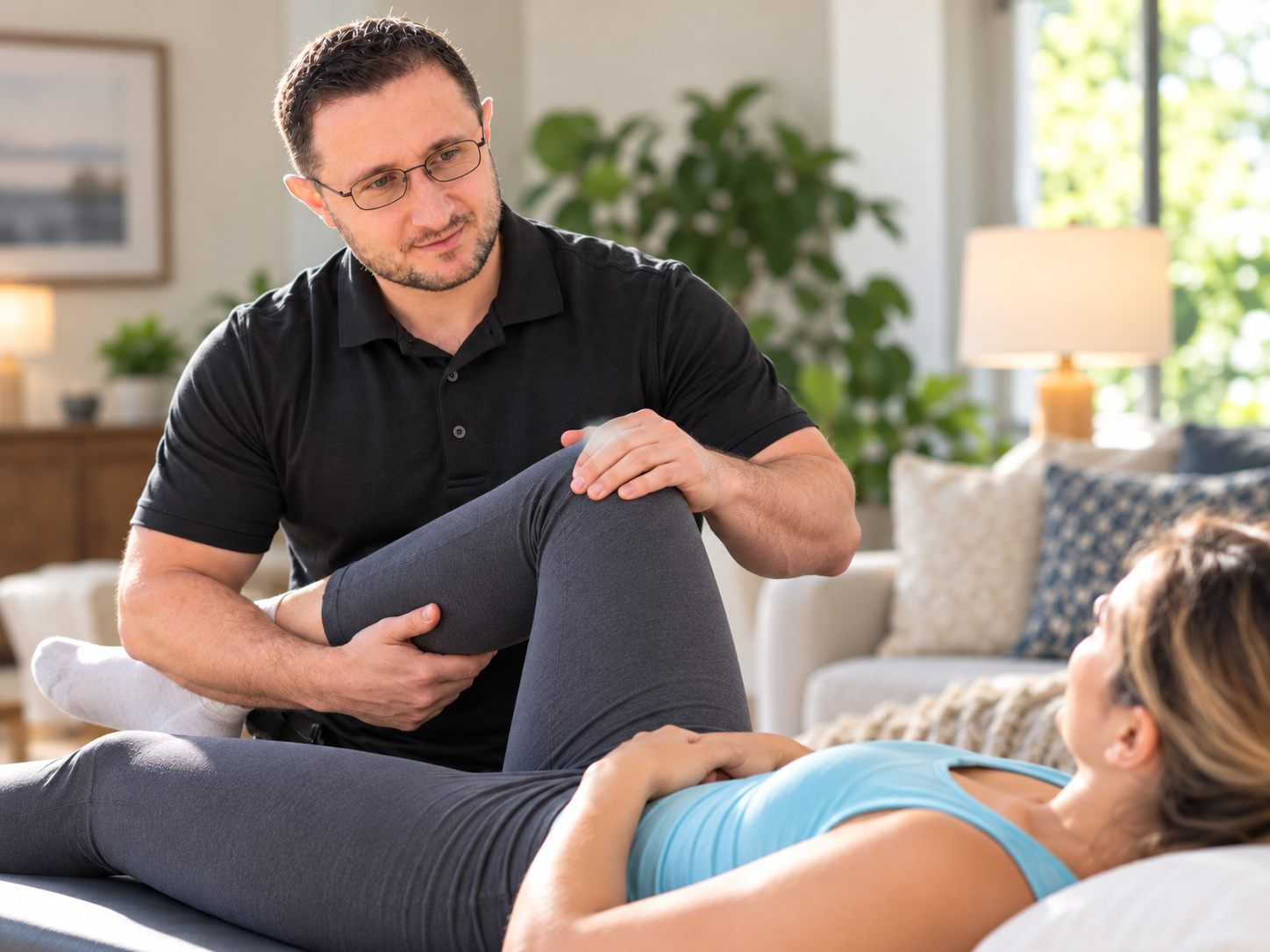
Dr. Lenny providing one-on-one knee mobility care during an in-home visit

When hip arthritis makes walking or rising from a chair uncomfortable, the plan needs to fit how your hip is responding today. During a home visit, I assess your movement and daily tasks, then help you find a manageable starting point.

Understand the condition and your goals

Hip osteoarthritis can cause pain, stiffness and difficulty with everyday activities. Physical therapy does not reverse arthritis, but current guidelines support individualized exercise and activity as core parts of nonsurgical management. The useful question is not simply “Which exercise treats arthritis?” but which combination of movement, strengthening and activity fits your current limitations and goals.

Adjust the load when the hip is irritable

I may choose a seated or supported position, reduce a movement’s range, or change its duration or resistance. If standing on the affected leg is uncomfortable, I assess whether a different setup is more suitable. A temporary flare does not automatically mean all activity should stop, but repeatedly forcing a poorly tolerated exercise is not the goal either.

Build strength and activity progressively

Exercise for hip osteoarthritis can include strengthening, mobility and aerobic activity. Current evidence supports exercise therapy, but there is not one universally superior exercise program for every hip. I adjust the type, dose and progression to your symptoms, function, preferences and response.

Keep movement connected to daily life

We can work on getting up, walking within the home, stairs and finding comfortable ways to move. I ask how the hip feels during the activity and afterward. That feedback helps me decide whether to progress, keep the current level or make a change.

Use walking support when it helps

A cane or walker may be part of your plan. I assess fit, technique and the amount of support you need. The aim is more manageable mobility and participation, rather than asking you to abandon an aid before you are ready.

Coordinate care when symptoms persist

If pain continues to substantially limit walking, sleep or daily activity despite appropriate conservative care, I can help you identify questions for your medical team about diagnosis and next steps. Imaging findings are considered alongside symptoms and examination; an X-ray alone does not determine your exercise plan.

Make the home plan manageable

Your exercise amount and frequency should fit your abilities and response. I currently use MedBridge for individualized home programs while LK Fitness & Therapy develops additional exercise resources. Let me know about meaningful flares or changes so the plan can be reviewed.

Research behind this article

Current guidance includes the 2025 APTA Orthopedics/JOSPT hip osteoarthritis clinical practice guideline, the AAOS evidence-based hip osteoarthritis guideline, and broader evidence supporting individualized exercise and physical activity as core management for hip and knee osteoarthritis. Treatment should still be matched to the individual examination, goals and response.

This is general education, not a prescription for a particular hip problem. Call or text Dr. Lenny: 267-647-9097.

Movement Can Be Enjoyable: Balance and Mobility Practice at Home

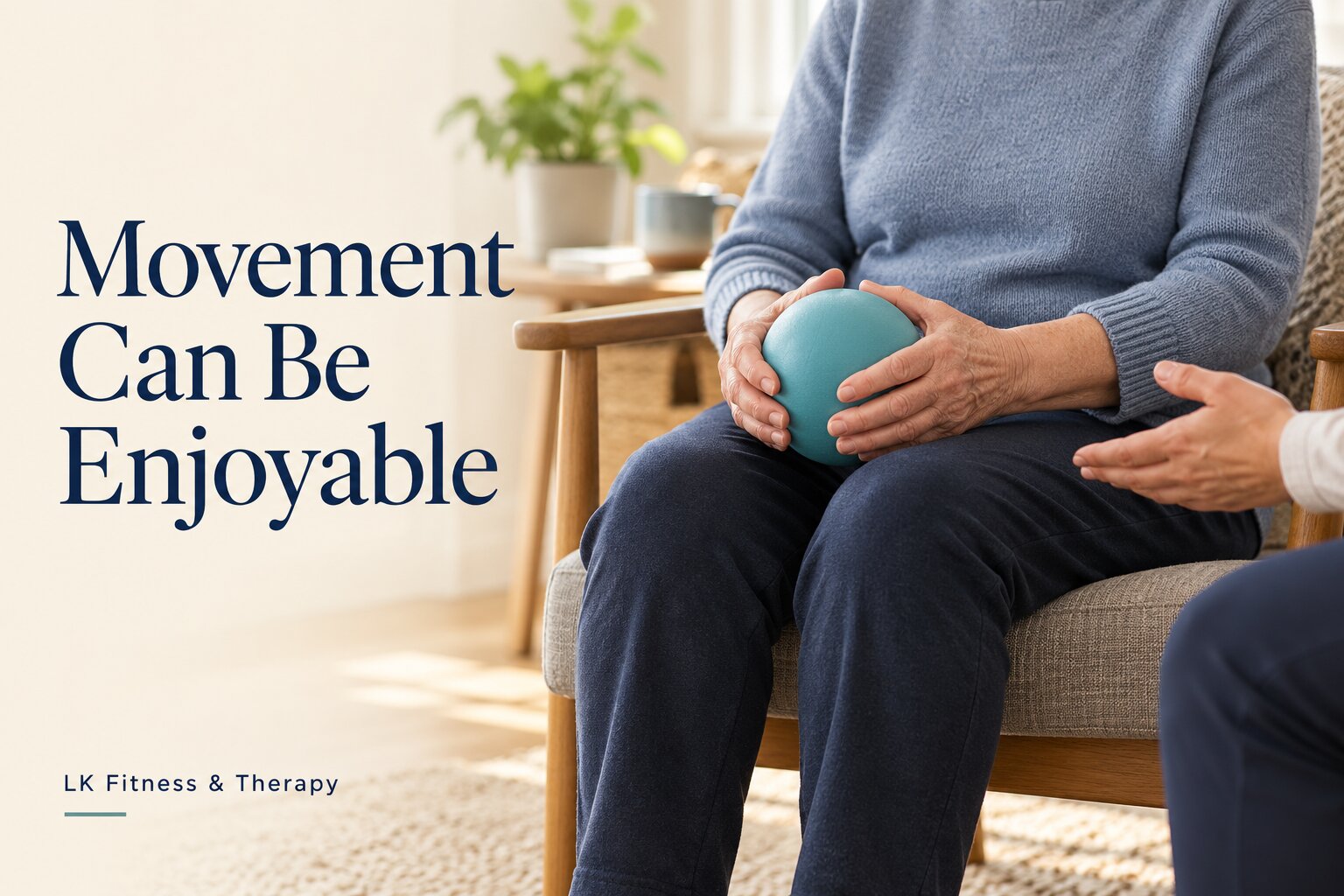
Illustration of seated ball activity with caregiver support, titled Movement Can Be Enjoyable

Working on mobility does not have to feel like repeating the same drill all visit. During home physical therapy, I may use a simple game, a familiar task or an activity the person enjoys to create useful practice while keeping the session focused on measurable goals.

Give each activity a purpose

A soft-ball activity might be used to practice reaching, reaction or coordinated movement. For another person, repeated chair rises, stepping to targets or walking to a meaningful destination may be more useful. The activity is selected after assessment rather than treating a game as a complete balance program.

Balance training should be challenging enough—and safe enough

Effective balance exercise usually needs to challenge the systems involved in maintaining stability, but the challenge has to match the person’s fall risk and available support. A seated activity, stable counter, shorter reach or different stance may be the right starting point. I do not remove a person’s walker simply to make an exercise “harder.”

Build a mix of movement

Public-health and fall-prevention guidance supports a combination of aerobic activity, strengthening and balance work, adapted to ability. For people at increased fall risk, well-designed exercise programs can reduce falls. That evidence supports progressive training—not copying an advanced balance drill without assessment.

Help caregivers understand the setup

When a caregiver is involved, we review the chosen exercise, required support, amount of assistance and when to stop. A caregiver should reinforce the plan that was practiced rather than invent a new standing challenge.

Enjoyment can improve the likelihood of practice

An exercise still needs a clinical purpose, but people are more likely to participate in activities they understand and tolerate. I try to make practice relevant enough that it feels like progress toward real life rather than a list of disconnected drills.

Research behind this article

The 2025 APTA Geriatrics clinical practice guideline for physical therapy management of fall risk in community-dwelling older adults supports structured screening, assessment and individualized fall-risk management rather than a one-size-fits-all balance routine. Exercise challenge, support and progression still need to match the individual, particularly when an assistive device or caregiver is involved.

Reference: Kirk-Sanchez N, et al. Physical Therapy Management of Fall Risk in Community-Dwelling Older Adults: An Evidence-Based Clinical Practice Guideline From APTA Geriatrics. J Geriatr Phys Ther. 2025;48(2):62-87.

Explore examples of supervised care or Exercise & Client Tools. This article is general education, not instructions to copy a balance activity without assessment. Call or text Dr. Lenny: 267-647-9097.

Verified by MonsterInsights